Meet the 2026 Cohort
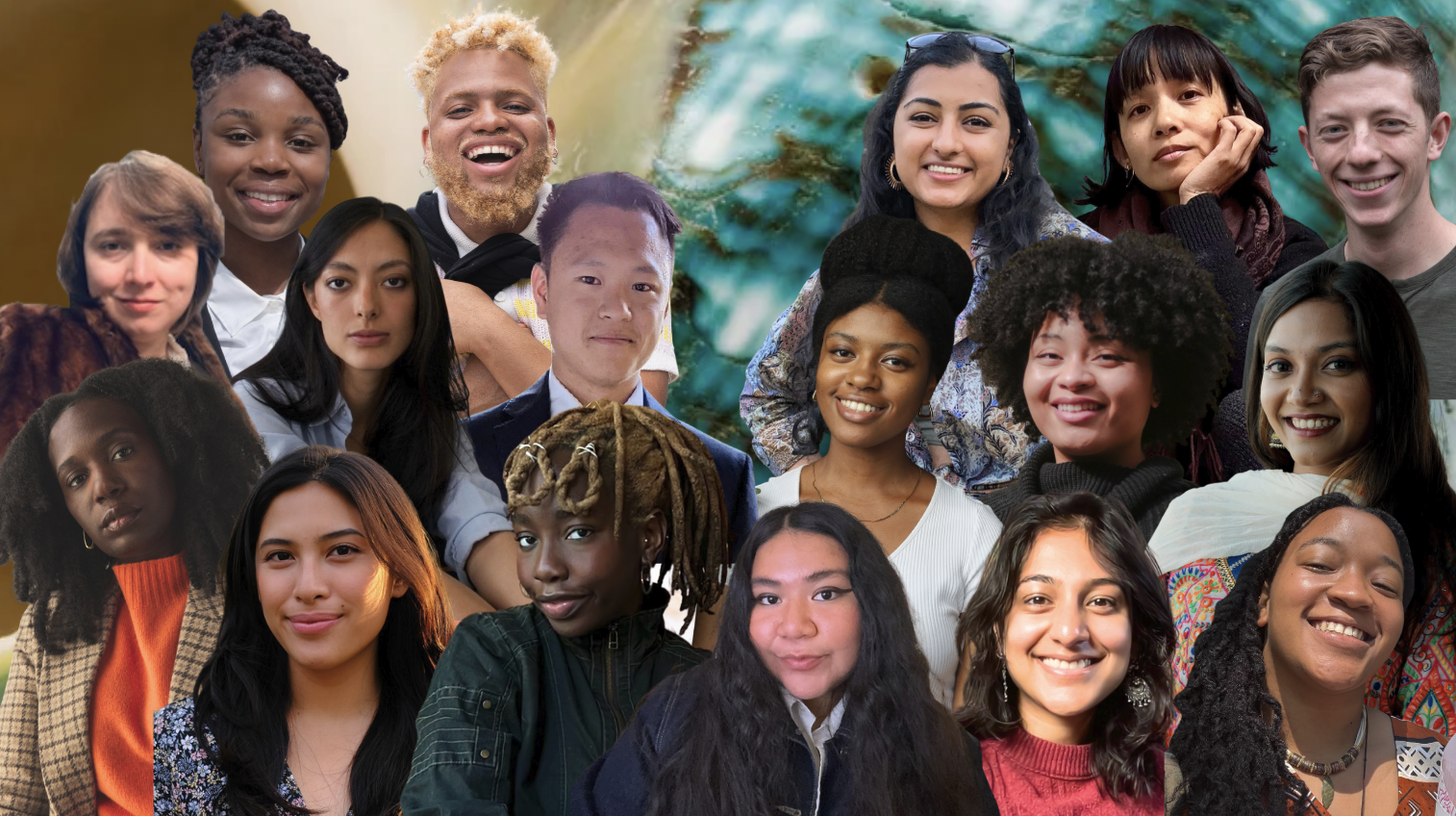
The third annual cohort of Climate Storytelling 2075 offers a multidisciplinary view of our shared climate future. Over the course of the year, they will develop creative, collective insight into what we might “get right” in 50 years.
Their multi-modal works consider questions such as:
How can we remake our relationships with soil as a living archive, using fibers, geospatial mapping, and soil-storytelling?
What will climate myth look and sound like in our future, and how can poetry reveal the values we carry into that future?
How can visual art trace a renewed relationship to our rhythms, landscapes and livelihoods following the six traditional seasons of Bangladesh?
How can narratives of place function as ode to landscape and community while producing behavioral effects that advance climate advocacy?
What would our cities feel like, and how would they live, if buildings were built to function like trees?
Cohort 3
-
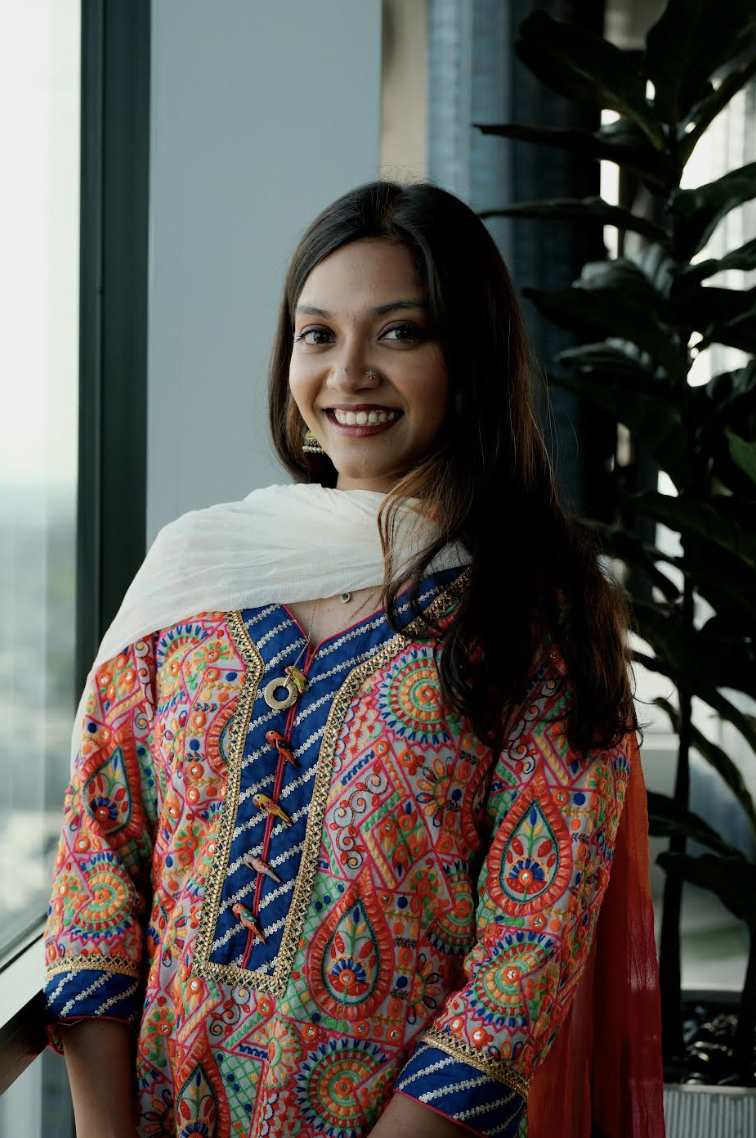
Aandishah Tehzeeb Samara (she/her)
Aandishah Tehzeeb Samara is a PhD student in Earth and Environmental Sciences at Columbia University, where her research examines shifts in the global hydroclimate and the interplay between anthropogenic climate change and natural variability. Born and raised in Dhaka, Bangladesh, she is deeply committed to climate justice and to understanding how climate change disproportionately affects marginalized communities. Her work highlights how gaps in hydroclimatic monitoring and data amplify vulnerability in these regions. Beyond research, Aandishah advances inclusive pedagogy as a Senior Lead Teaching Fellow at the Center for Teaching and Learning and leads student advocacy as President of the Arts and Sciences Graduate Council. Her climate-storytelling project reimagines climate change through the six traditional seasons of Bangladesh, using visual art to trace how agricultural rhythms, landscapes, and livelihoods are being disrupted, and re-envisioned, under a changing climate.
-
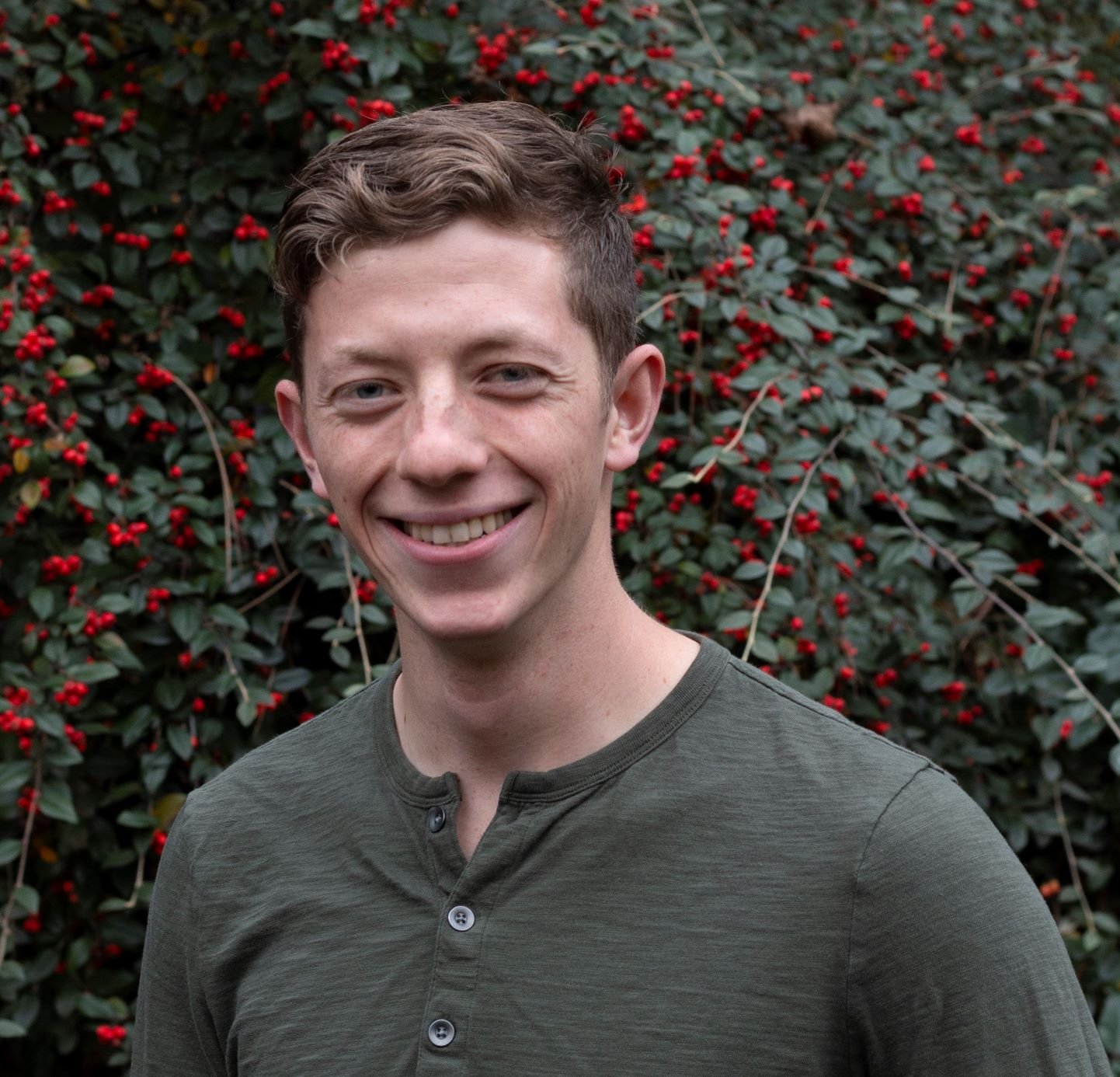
Brandon McWilliams (they/them)
Brandon is a science communicator and educator based in Seattle, WA. They split their time between translating science about environmental disturbances like wildfire and forest diseases, helping to restore native plants to urban green spaces, and reading so, so many books. Their project with Climate Futures Studio will be a place-based collage of flash fiction describing the many small moments that make up everyday life in a positive climate future. This project is not only an ode to the landscape and community they love, but also an outgrowth of their research on the behavioral effects of reading climate fiction.
-
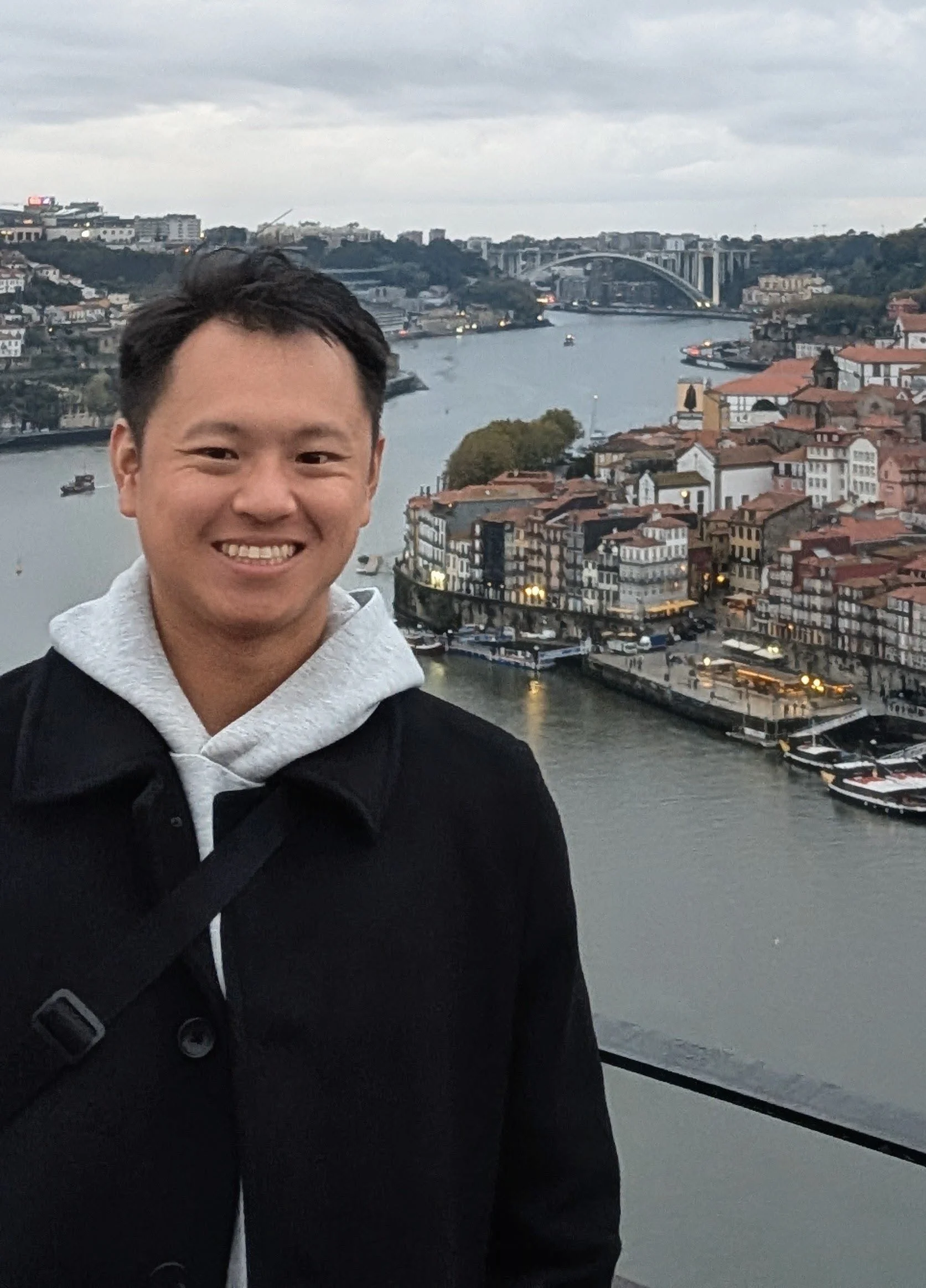
Earl Lin (he/him)
Earl is an engineer and artist who grew up in Brooklyn and now lives in Queens. With a background in mechanical engineering and urban informatics, he works as an energy planning engineer to develop sustainability and decarbonization plans for building and infrastructure projects. With a lifelong passion for art and drawing, he specializes in pen and ink art and is learning to draw comics to tell stories about peoples and places. Earl's project aims to reimagine a future for his home of New York City where the buildings are like trees and the city is like a forest.
-
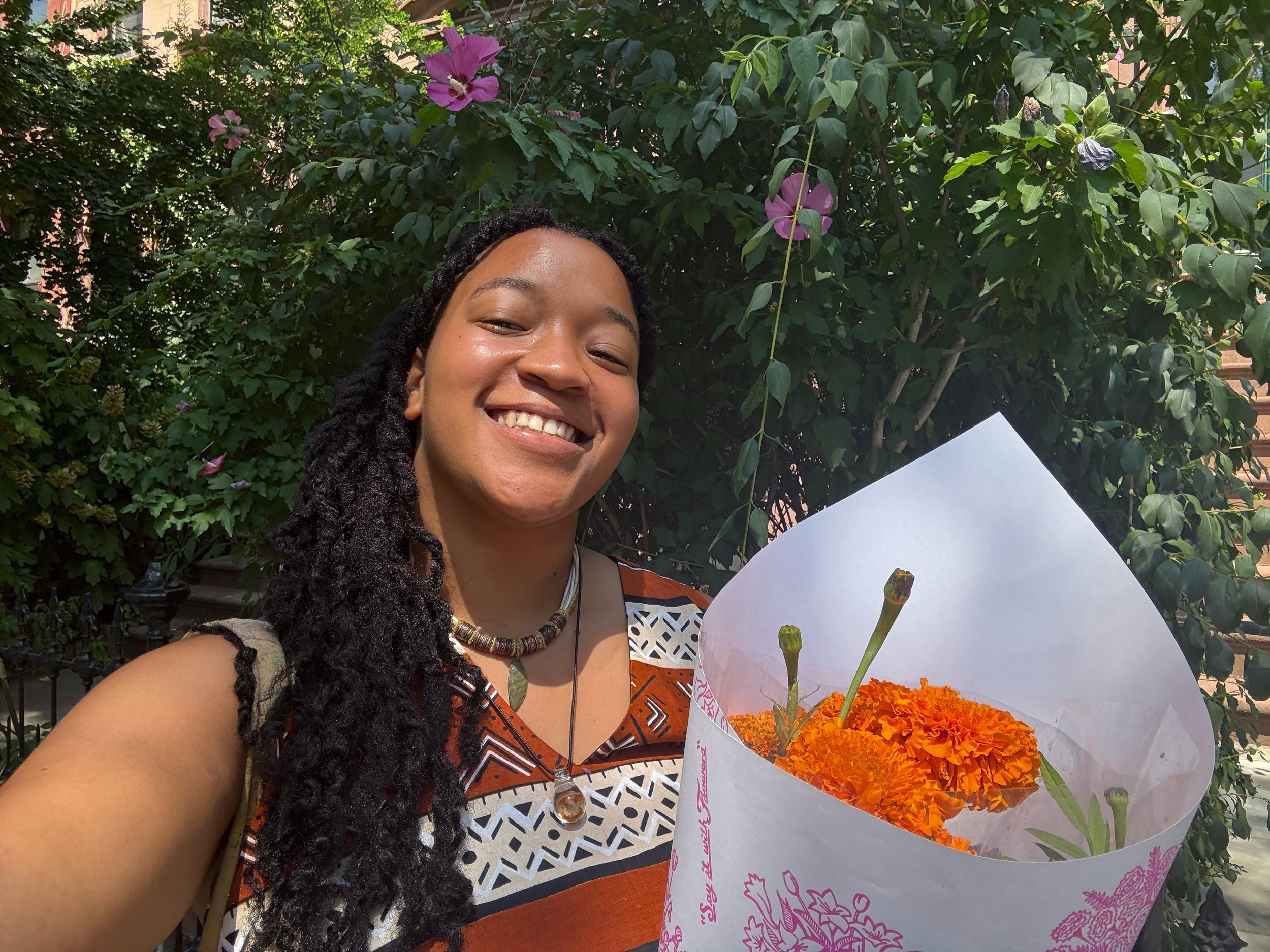
Genesis Whitlock (she/her)
Genesis Whitlock is an environmental researcher and storyteller based between Antigua & Barbuda and New York City. Their work centers Body Pond, a local watershed holding generations of land-based history. Once a plantation and later known as the People’s Parliament, where sharecroppers organized for labor rights, the site informs Genesis’s understanding of soil as a living archive. Navigating dual inheritances of wisdom and extraction, they weave archival research and soil storytelling to reconnect people to place and support community-led climate data for locally driven adaptation. Through collective storytelling, fiber-based installation, and geospatial mapping, their work weaves knowledge systems as a form of epistemic repair and climate care.
-
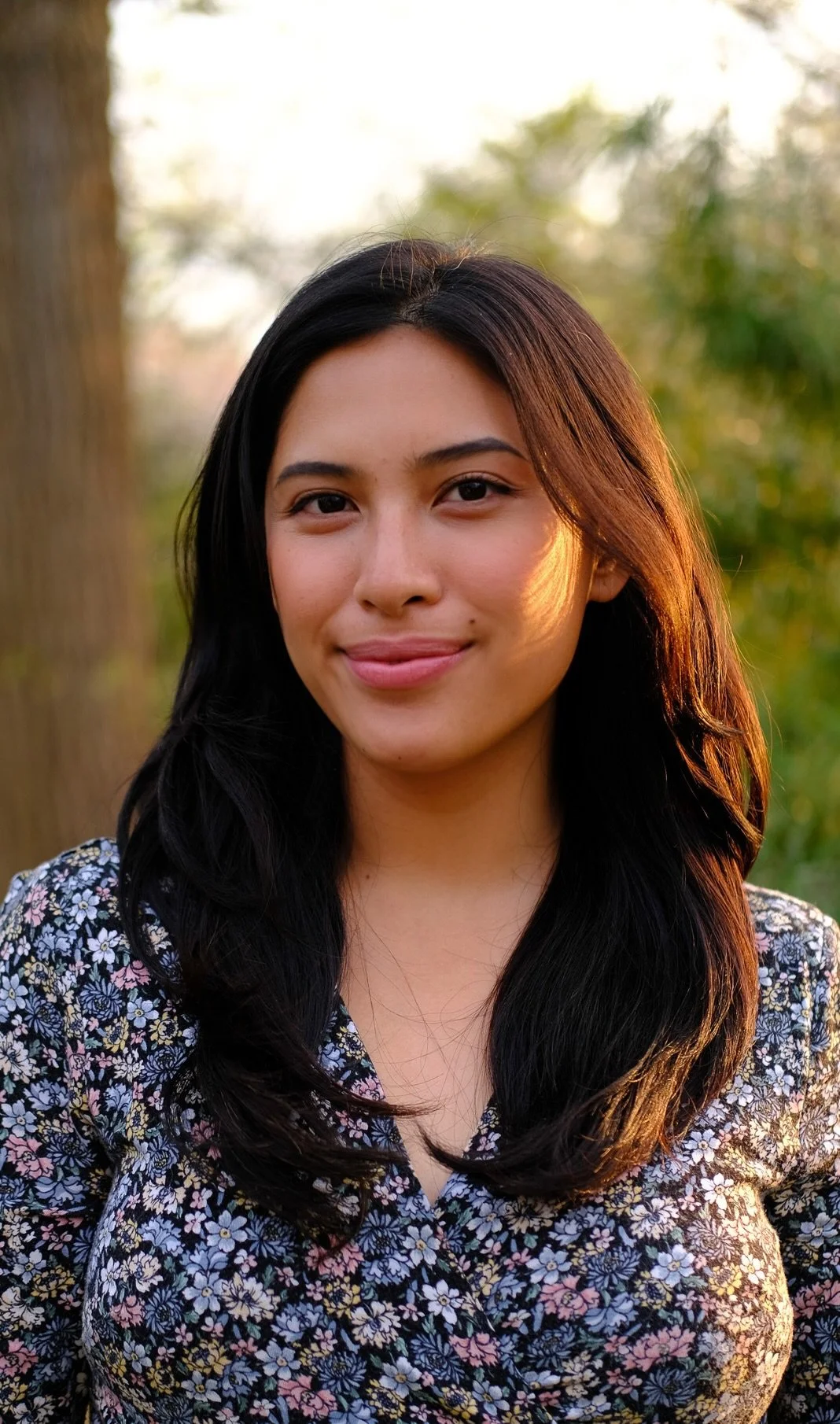
Isabela Valencia (she/her)
Isabela Valencia is a climate advocate, writer, and researcher. She writes about climate change and human relationships to land and labor. As a Susan Rappaport Knafel ’52 Traveling Fellow, she spent a year traveling across Europe, Latin America, and Southeast Asia, learning from farmers, environmental practitioners, and community leaders. Her project is a cookbook braiding speculative creative fiction with food writing. It centers on recipes and stories of how climate change affected crops, trade, and ritual—and how communities rose to reimagine food systems. She holds a master's degree in environmental management from the Yale School of the Environment.
-
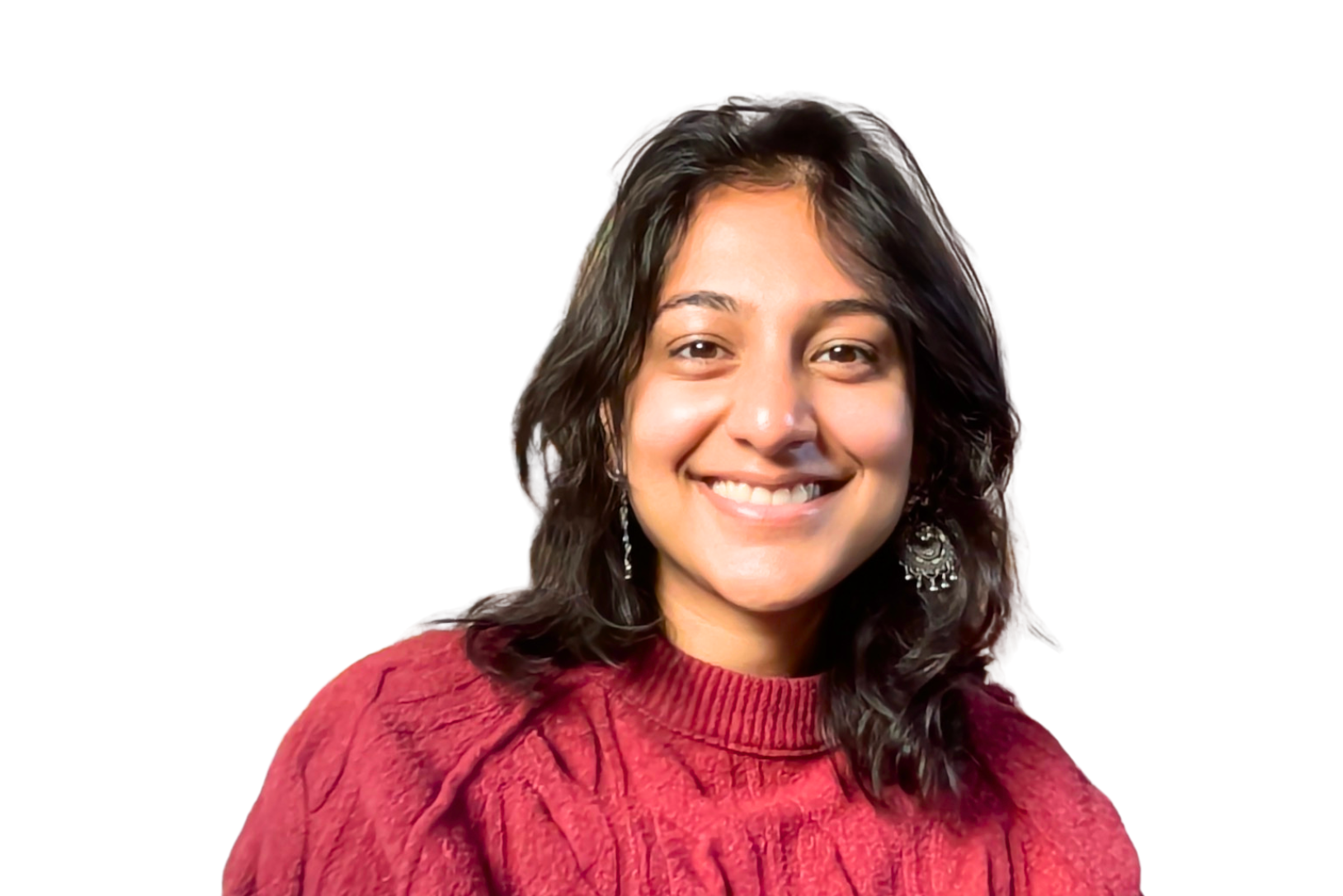
Jasmine Singh (she/her)
Jasmine Singh is a multidisciplinary artist whose work grows out of inner experience and close attention to the natural world. Her practice explores how mental health and emotional states mirror ecological systems through organic form, repetition, and texture. An avid gardener and birdwatcher, she looks to plants and landscapes as sources of grounding and regulation, shaped by her own lived experience with anxiety. Her proposed work for Climate Storytelling 2075 imagines a future where bodies and nature are no longer treated as commodities, and where caring for our nervous systems becomes a shared way of living.
-
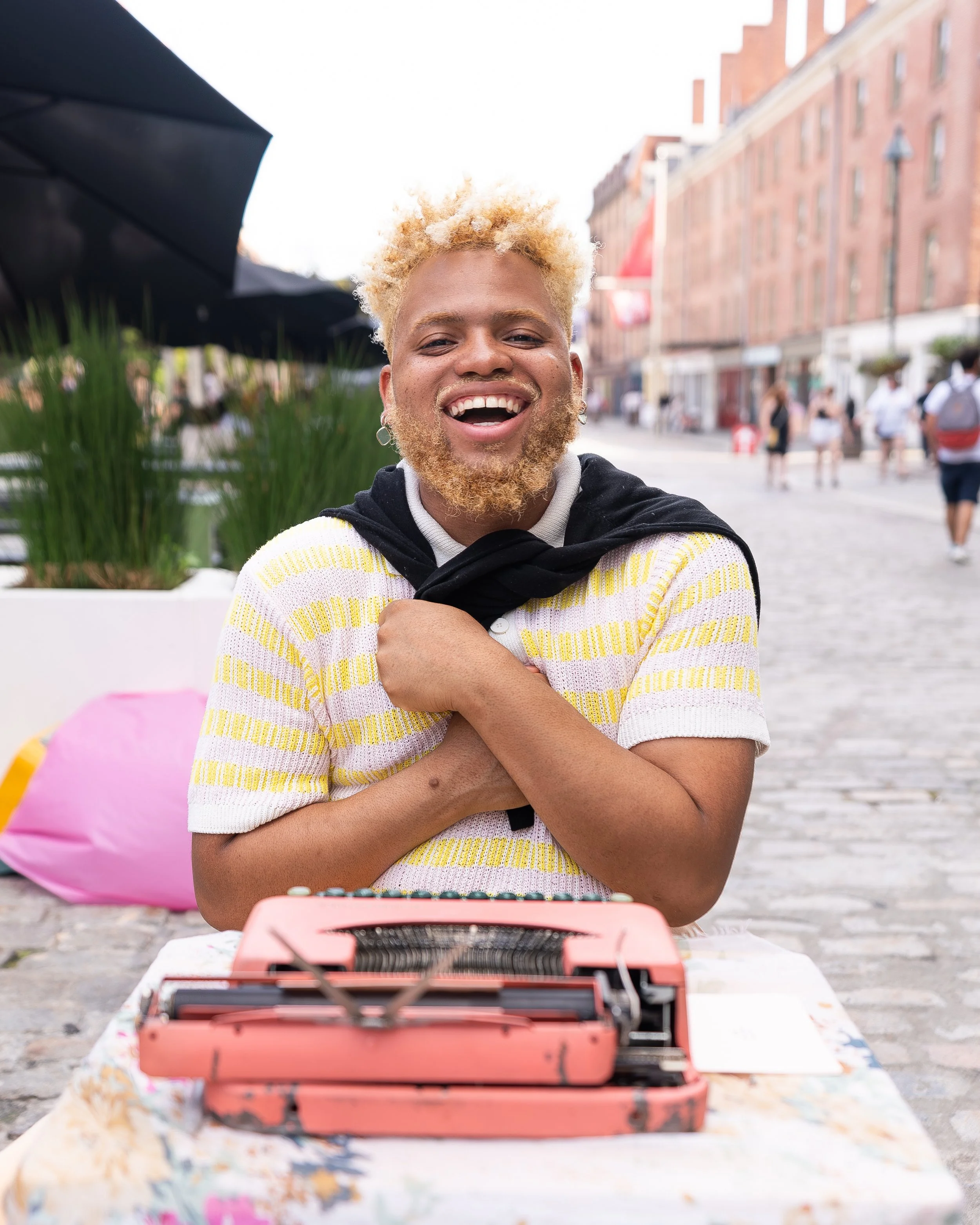
Jayshawn Lee (he/him)
Jayshawn Lee is a Harlem–based poet and scholar-artist whose work uses poetry, mythmaking, and participatory storytelling to cultivate collective imagination and public memory. Through live typewriter poetry with the People’s Poetry Cart, Lee creates shared encounters that treat poems as future relics; objects of care, witness, and possibility. Their work spans museums, festivals, and classrooms, including the Guggenheim Museum, The Climate Imaginarium, NYC Poetry Festival, and Amnesty International’s Banned Book Café. Lee is the co-creator of Climate Haikus, an evolving participatory installation, and a 2025 nominee for the Creative Climate Awards. For Climate Storytelling 2075, Lee proposes a solarpunk public poetry installation that archives modern climate myth while inviting audiences to author their own climate futures in relation.
-
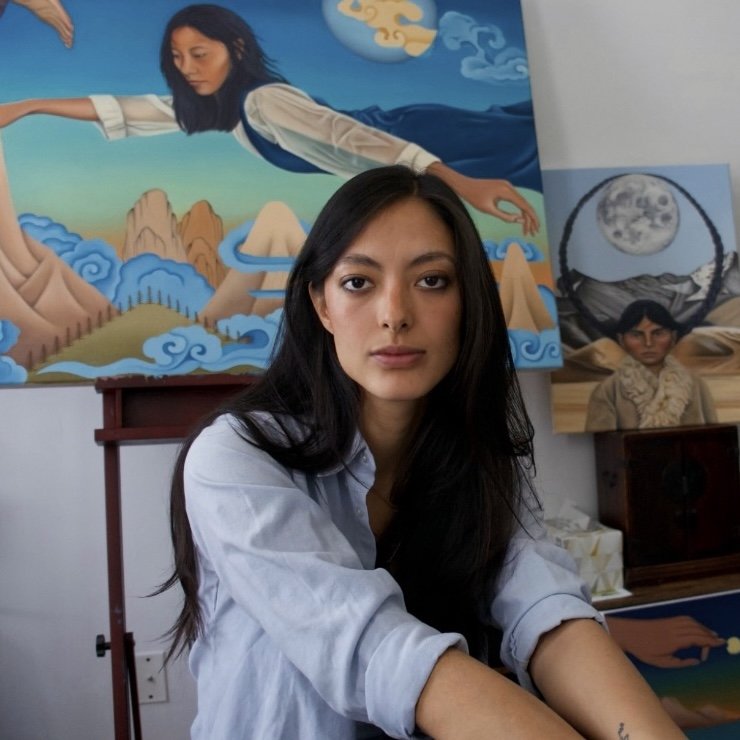
Khenzom (she/her)
Khenzom is a Tibetan-American painter based in Brooklyn. She graduated from Yale with a degree in Environmental Studies and currently works at the Natural Resources Defense Council. In her paintings, she imbues Tibetan nomads with magical powers that reflect their knowledge and stewardship of the environment. By envisioning a homeland free from violence and environmental degradation, her art challenges extractive narratives of Tibet and imagines futures in which the deep harmony between Tibetan people and their land is fully restored. For her Climate Futures Studio project, she plans to create new playful and surreal paintings that envision futures in which Tibetans have regained environmental sovereignty.
-
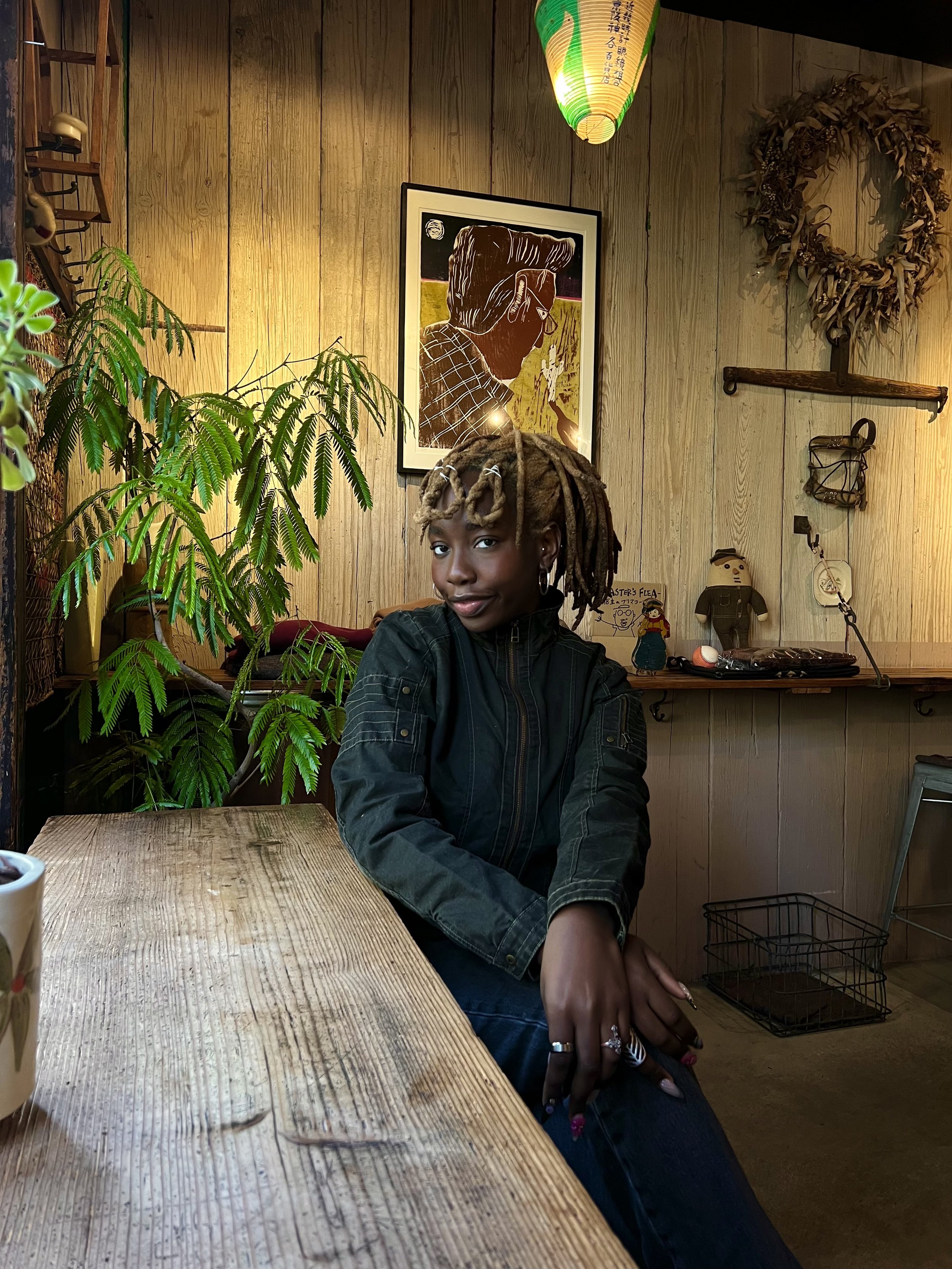
Kikelomo Sanni (she/her)
Kikelomo is a Nigerian-American writer and filmmaker from Georgia now based in New York. She holds a B.S in Environmental Engineering from Kennesaw State University and a M.A in Climate and Society from Columbia University. Her work involves using the diverse lens of cultural identity, womanhood and/or the environment to convey stories. She believes in the duty of the artist to reflect the times, honor the past, and reimagine the future. Her project explores rest and love as forms of climate resilience in black girlhood. Kikelomo desires to always be creating for as long as she lives.
-
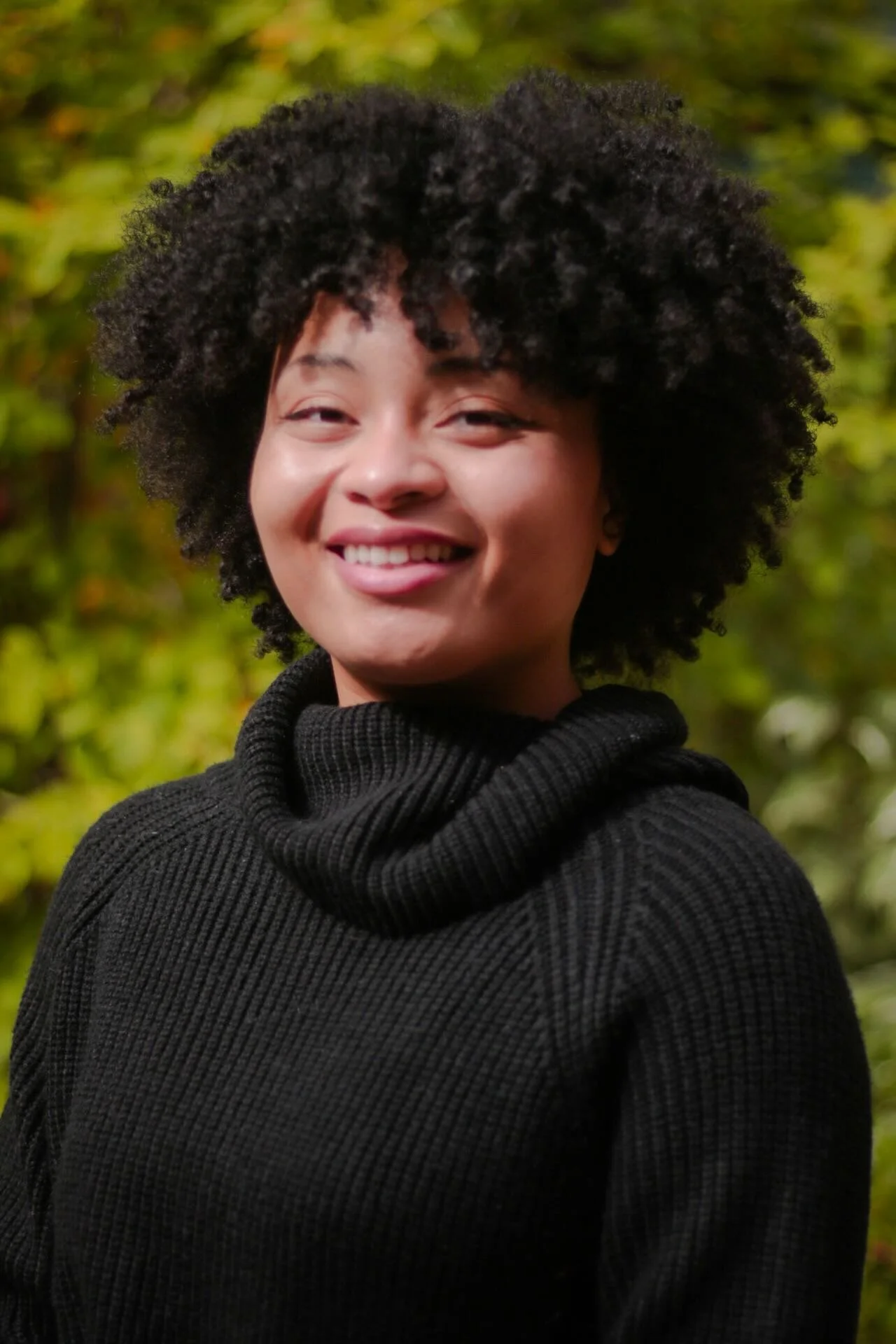
Lorena James (she/her/they)
Lorena James is an ecopreneur and movement-based artist whose work sits at the intersection of agriculture, invasive species management, and environmental justice. She is the founder of Invasive Impact Initiatives and works with Nature for Justice to support regenerative, Black and Indigenous-led agricultural systems across the U.S. With over a decade of experience in modern dance and choreography, Lorena explores how bodies carry ecological memory, labor, and responsibility as stewards of Turtle Island. Her storytelling centers land, food systems, and community – bridging urban and rural geographies from Buffalo, New York to Aiken, South Carolina. She brings a community healing-centered approach to reimagining just and regenerative climate futures.
-
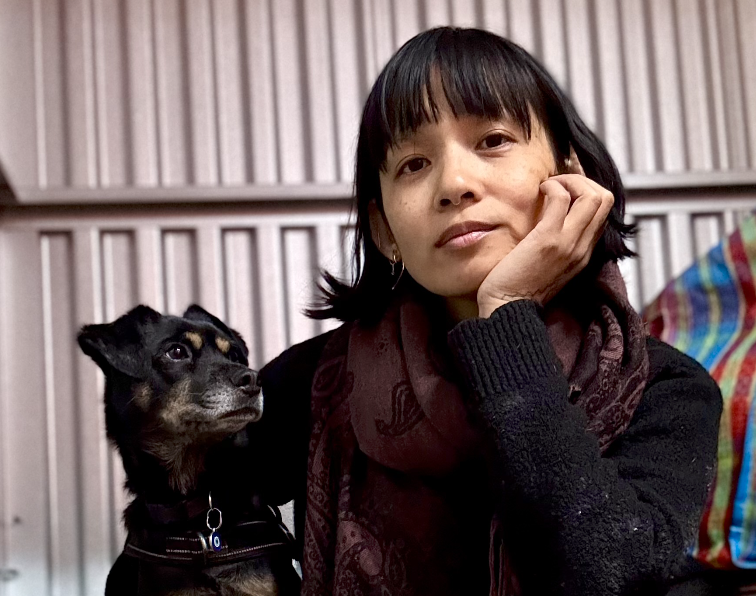
Mala (she/they)
Mala, also known as Trishia Frulla (she/they), is a queer Filipinx artist, designer, and death doula whose multidisciplinary practice centers material and narrative as sites of memory, rupture, and repair. Rooted in somatic inquiry and diasporic experience, her work explores how trauma lives in the body and how tending to it is an act of cultural remembrance and collective care. Working across fiber, illustration, and ritual process, she is creating a speculative fiction comic for Climate Futures 2075 informed by her work as a death doula, where anger is a renewable resource sustaining bodies, land, and future generations.
-
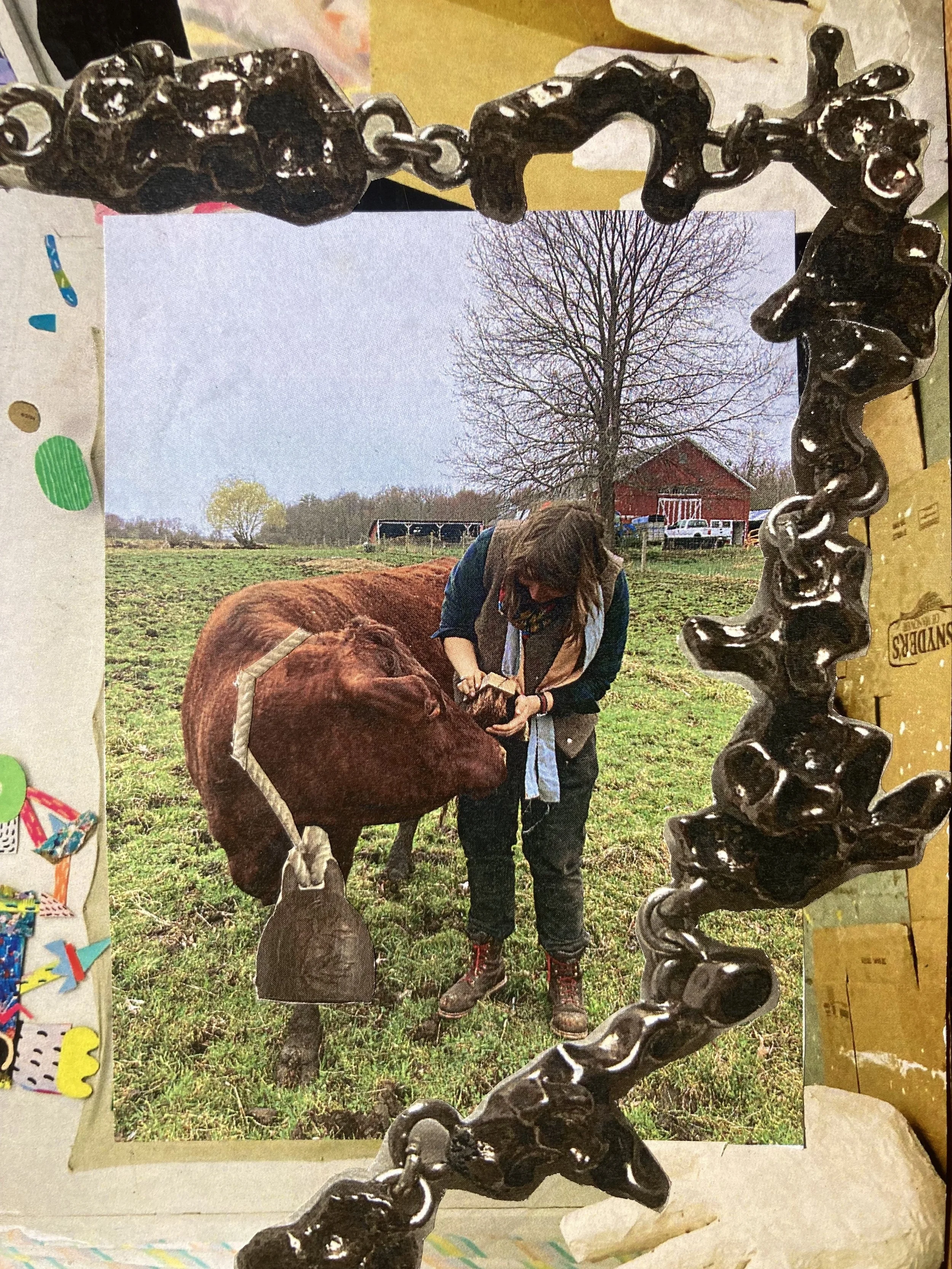
Mary Kate Cleary (she/her)
Mary Kate Cleary is a femme multimedia artist and metalworker concentrating on both the architectural and jewelry scale. Her work explores the revolutionary opportunity of tools and material culture to shape our lived experience and the land around us. Her background in agricultural engineering in the Connecticut River Valley heavily influences her artistic practice. Her work is activated by use, either by being utilized directly in farm fields, for use in personal and community celebration and remembrance, or designed to shape how users interact with the land around them.
-
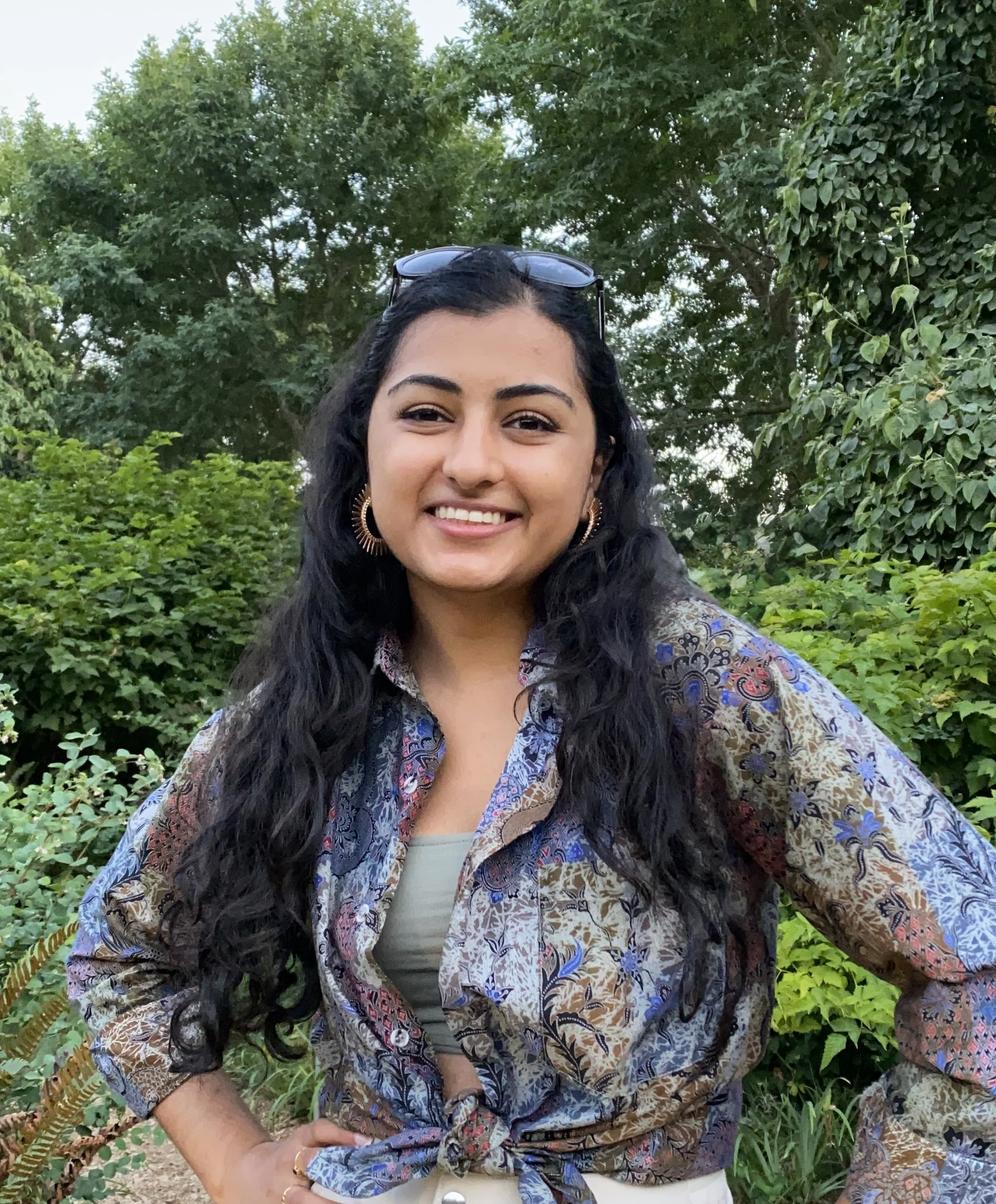
Namita Davey (she/her)
Namita is a South Asian American writer with a BA in Computer Science and a Certificate in Climate Change. Her interest lies in the intersection of technology, human-nature systems, and traditional ecological knowledge to foster a sustainable and regenerative future. Her project for Climate Storytelling 2075 imagines a hopeful, community-based future and explores the interplay of ecological stewardship, cultural tradition, and intergenerational connectedness in the South Asian diaspora.
-
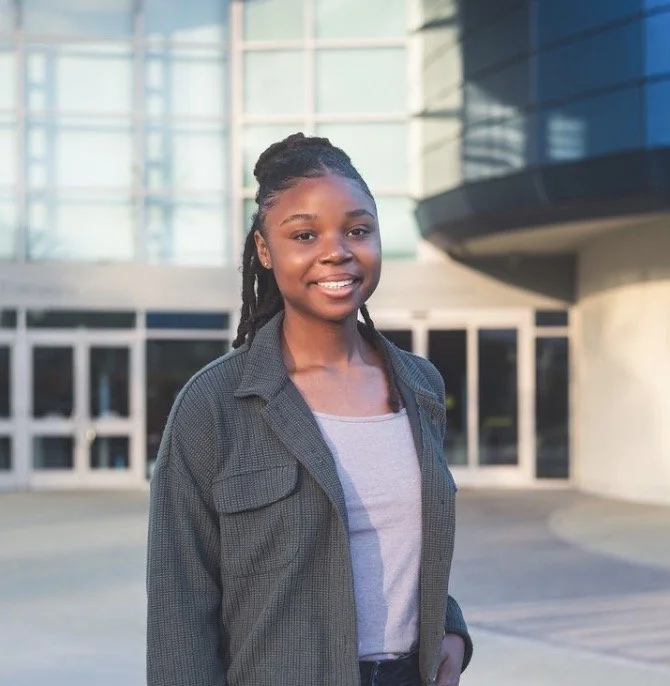
Pa-Shun Hawkins (she/her)
Pas-Shun Hawkins is a Ph.D. student in the Institute of the Environment and Sustainability at the University of California, Los Angeles. Her research examines the intersection of social inequality and ecological disturbance, with a focus on how historical and contemporary human activities shape ecology. As a graduate researcher in the Critical Ecology Lab, she integrates microbial genomics with social and ecological theory to study landscape legacies in St. Croix, U.S. Virgin Islands. Hawkins is an Early Career Fellow with the Center for Developing Leadership in Science and earned her B.S. in Marine and Environmental Science from Hampton University. For her Climate Storytelling 2075 project, she will collect prayers from community members reflecting hopes and visions for the climate future.
-
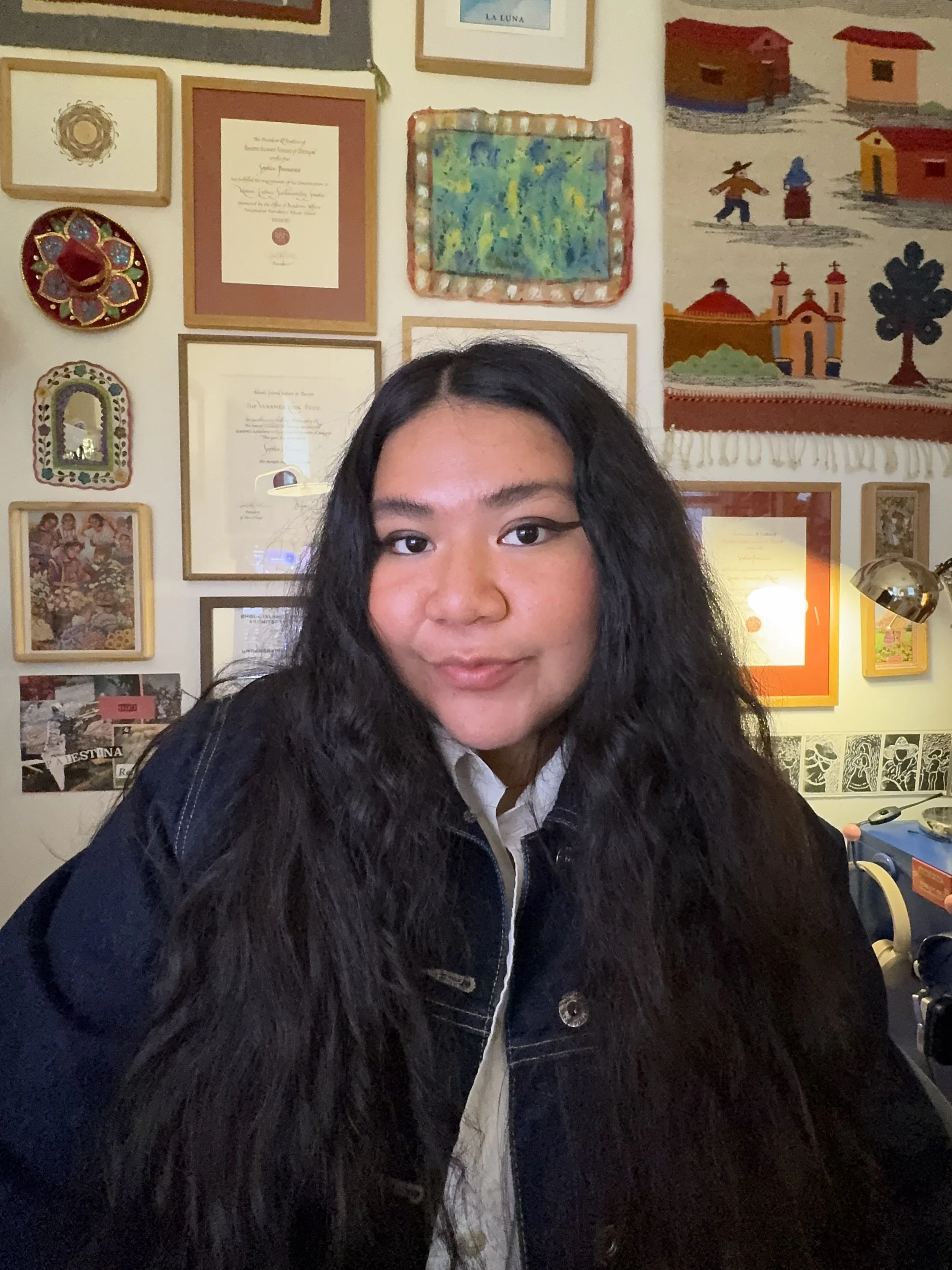
Sophia Francesco (they/them/she/her)
Sophia Francesco is a Mexican American (Tacuate-Mixtec) community organizer and architectural designer currently based in Providence, Rhode Island. Her work focuses on community engagement to empower the active participation of all beings in forming stronger systems of care in the built environment. Sophia envisions a project that expands on an architectural design practice that is conscious of its relationship to place and the interconnected systems that sustain all beings. Her work focuses on developing housing typologies that envision a climate future grounded in reciprocity rather than extraction, informed by the enduring stewardship, advocacy, and land protection practices of Indigenous Peoples around the world.
-
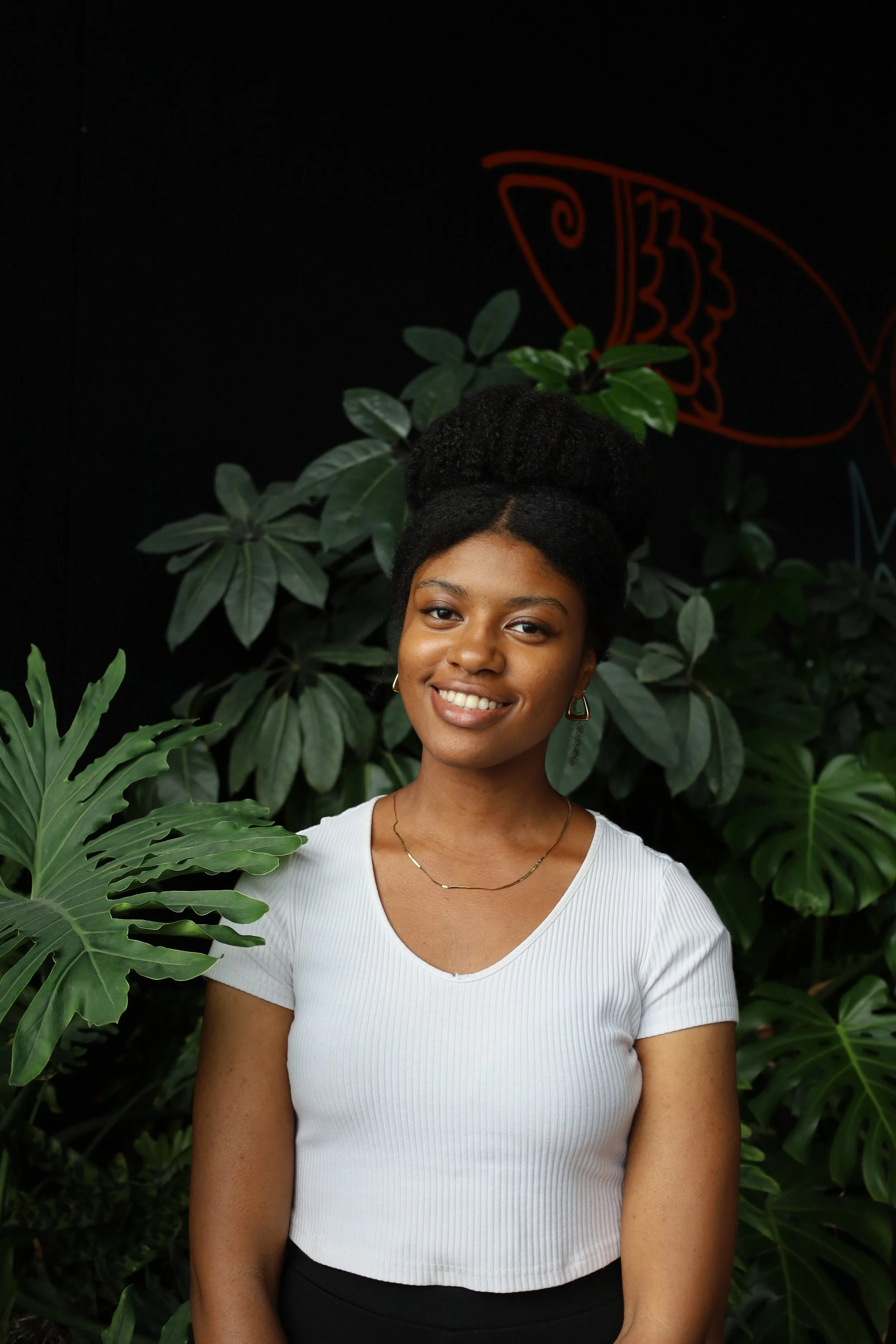
Sophia Steele (she/her)
Sophia Steele is a New York–based storyteller and scholar of Jamaican and Bahamian heritage, dedicated to centering Black girlhood through imaginative, future-focused narratives. She graduated from Princeton University’s School of Public and International Affairs, where she studied gender and cultural production across the African diaspora. As a Climate Storytelling 2075 Fellow, she will explore Afrofuturism through film, imagining speculative futures in which Black women in the Caribbean lead bold responses to climate injustice. She has previously worked with the UN Girl Up Initiative creating digital storytelling campaigns that amplify girls’ leadership and advocacy, and is a contributor to TIME Africa.
-
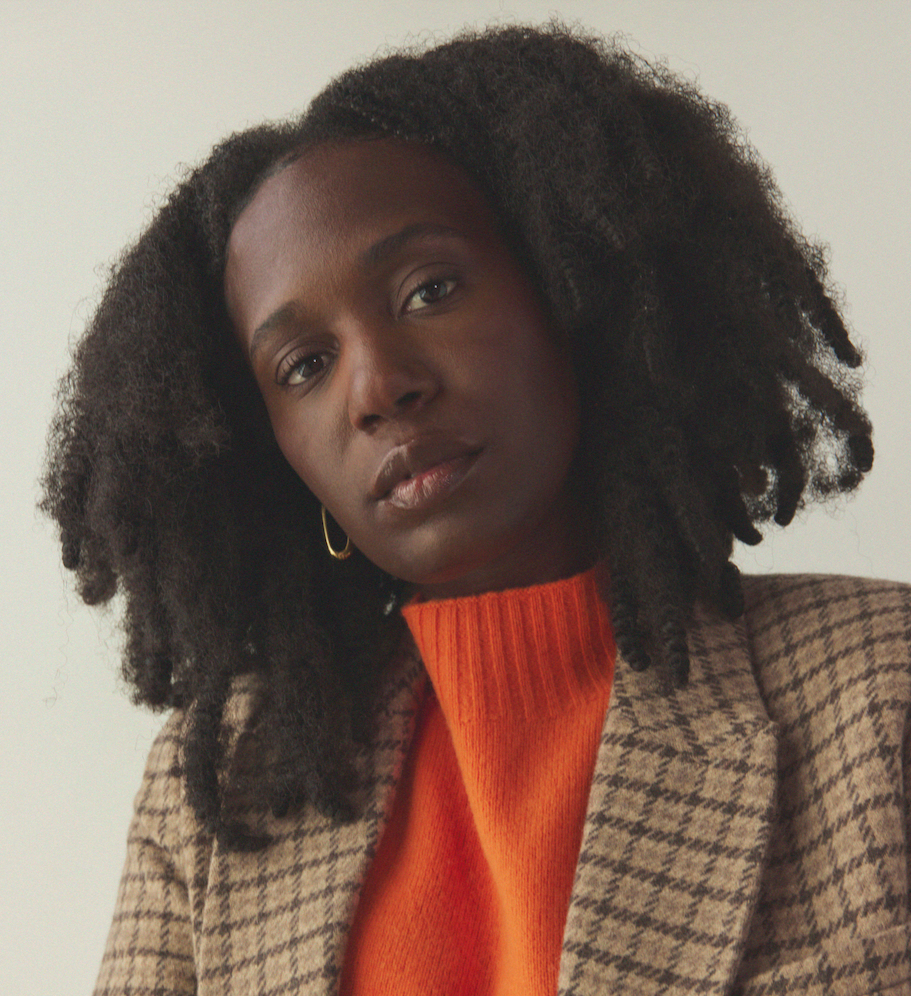
T'Essence Minnitee (she/her)
T’Essence T’Nae Minnitee is a storyteller and community organizer raised on California’s Central Coast, working at the intersection of TV/film development and environmental justice. She has executive produced short films and co-designed the California Coast in Color artist residency for Black photographers, centering Black presence along the Pacific. Her proposed project is an Afrofuturist short film set in 2075 about two Black sisters stewarding a community-run kelp commons. She will be producing the film with her sister, T’Airrashay Minnitee, braiding climate repair with cultural sovereignty and collective care.