

KARTAng-Isip
7641 islands, 50 years, 18 stories of 1 nation.
Project KARTAng-Isip is an act of imaginative cartography, mapping the possible futures of the Philippines through the lens of climate fiction. Borrowing from kathang-isip (fiction) and karta (map), this anthology of short stories envisions the archipelago’s future over the next 50 years, exploring the diverse realities of each region.
The first story, Of Steams & Storms, is set in the Philippines’ Eastern Visayas in the year 2075. The region comprising Leyte, Samar, and Biliran stands at the heart of typhoon landfalls with its landscape cut by the Leyte Fault; however, after decades of disaster, the long-whispered myths of Biringan now emerge as a renewable energy utopia. Through the eyes of Paula, a young Biringan intern, the story follows Eli, a seasoned stormsaver, as they navigate a megatyphoon in a journey to reunite with a long-lost love.
At the heart of this work is countermapping, a method of reclaiming space, voice, and vision. The Philippines, consistently among the most vulnerable countries in the world, is often depicted only through the lens of disaster. Project KARTANG-ISIP disrupts that narrative by charting a different map: one where Filipino communities are not merely victims of disasters, but changemakers.
Pamela Lira
Illustrated by Brian Mesa
The accompanying map, built from Copernicus DEM data, reimagines Eastern Visayas through animated geovisualization. It is an ode to the 1734 Murillo-Velarde map—hailed as the “Mother of all Philippine Maps”—bridging historical cartography with speculative storytelling of the Philippines’ futures.
In merging storytelling with spatial imagination, it frames the climate crisis as a question of who decides what the future looks like? Who gets to survive, adapt, and thrive? It also asks: What could a just, livable future look like in a country where climate disasters have become the rhythm of life? In every story that will follow, the environment and climate becomes both context and character: a force that reshapes land, love, memory, and the very structure of society.
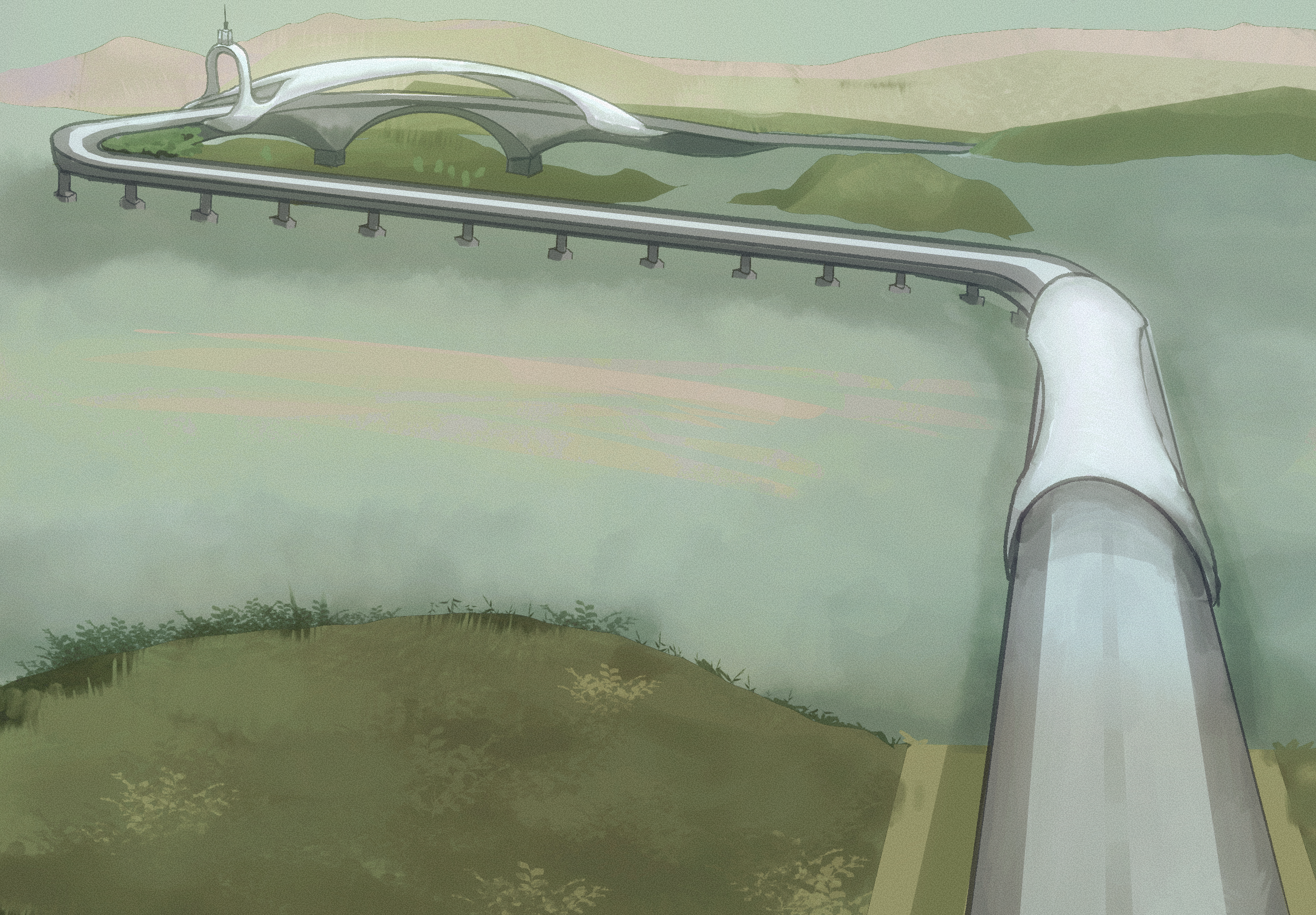
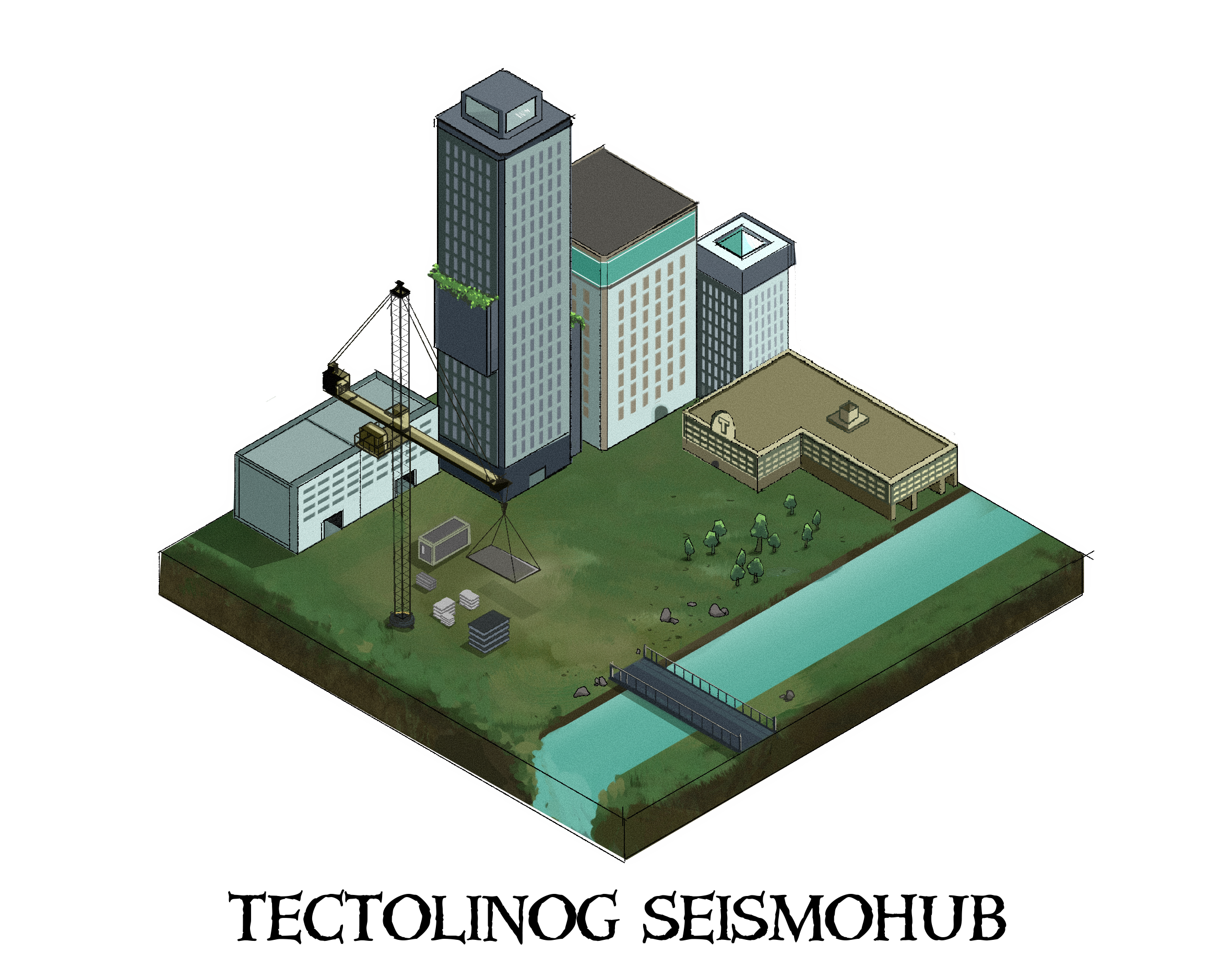
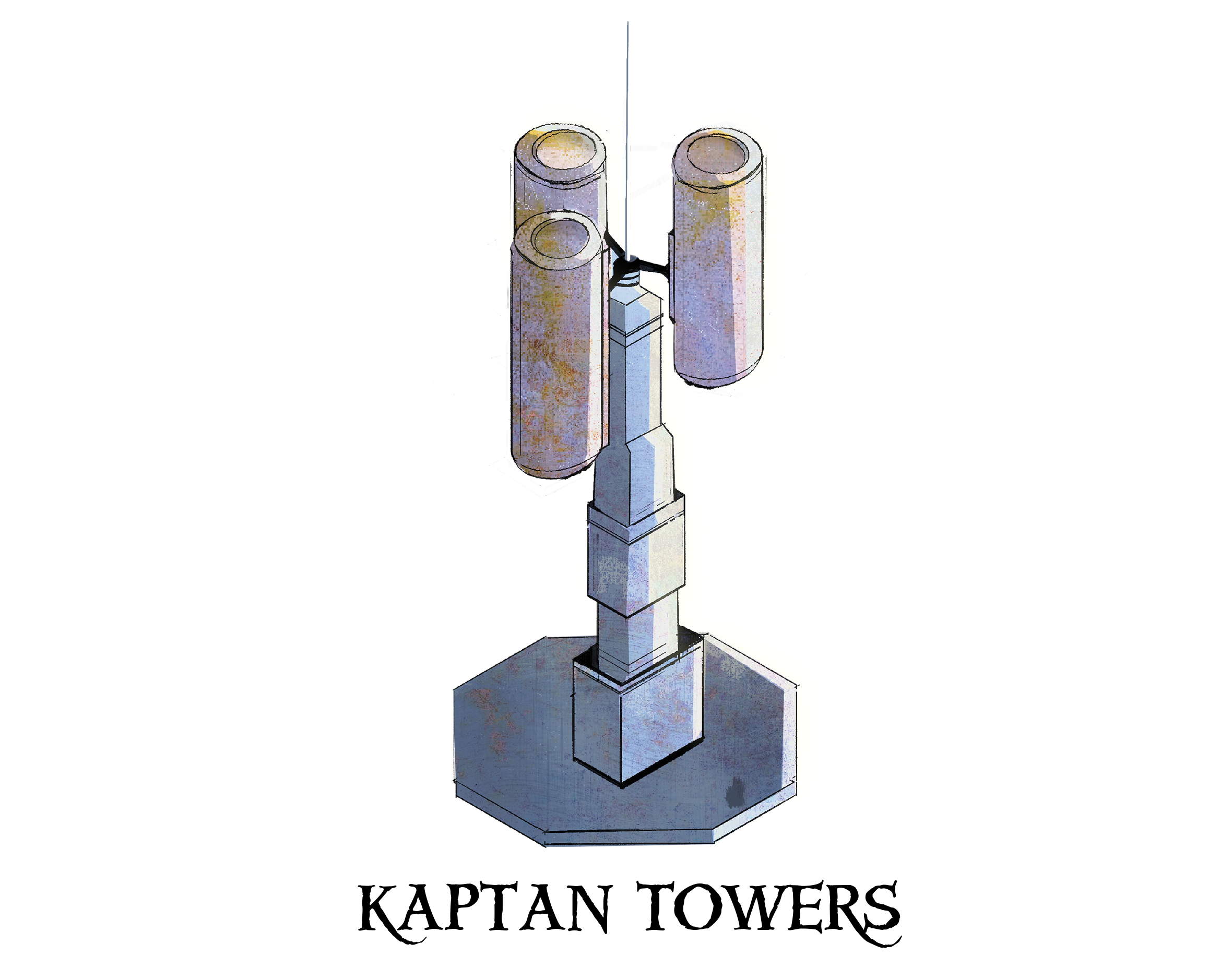
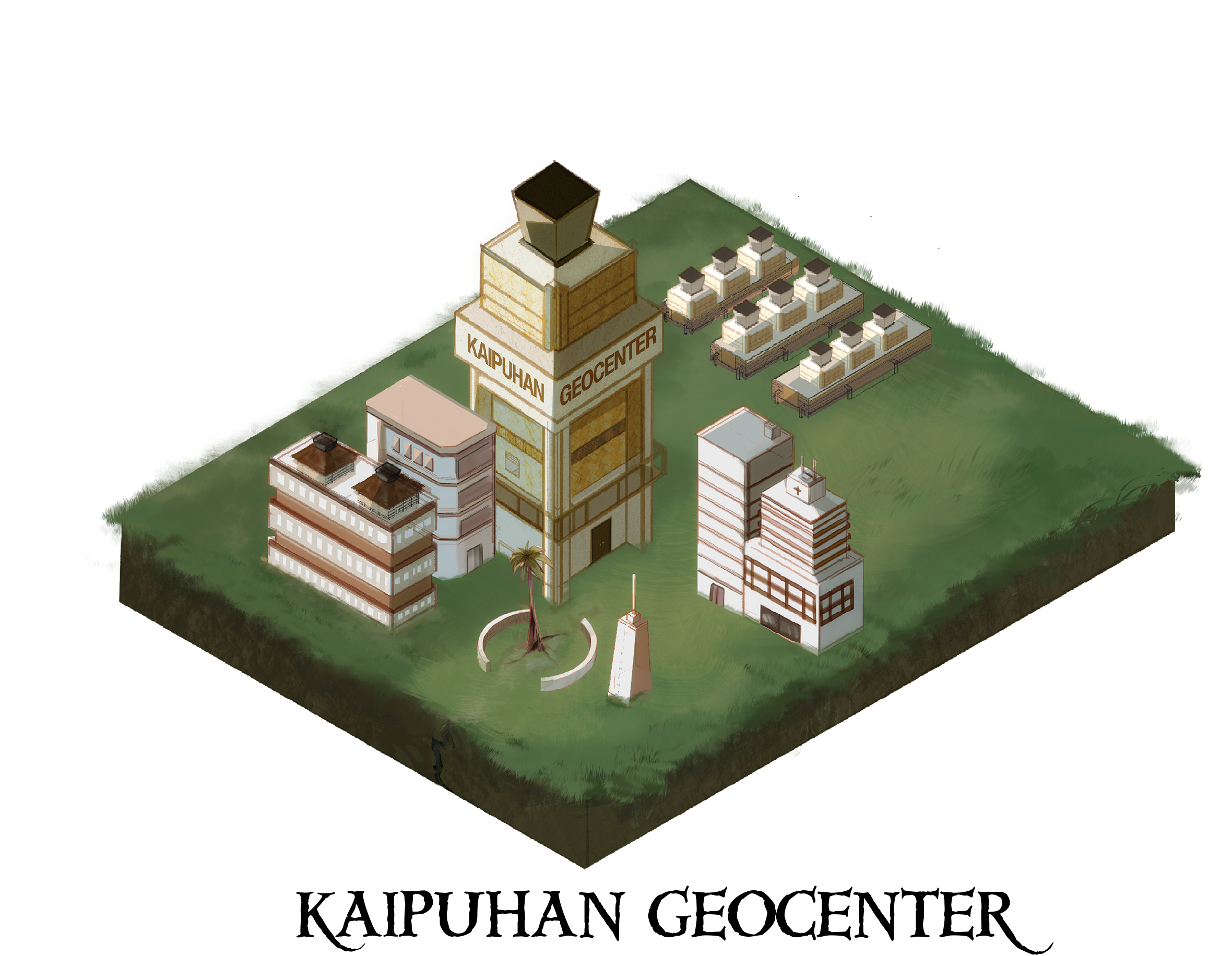


Climate Futures Studio Co-Steward Laken Sylvander presents Pamela Lira's "KARTAng-Isip" to the press during the opening of "Imagining Climate Futures" during NY Climate Week 2025. Photo by Harmony Richards.
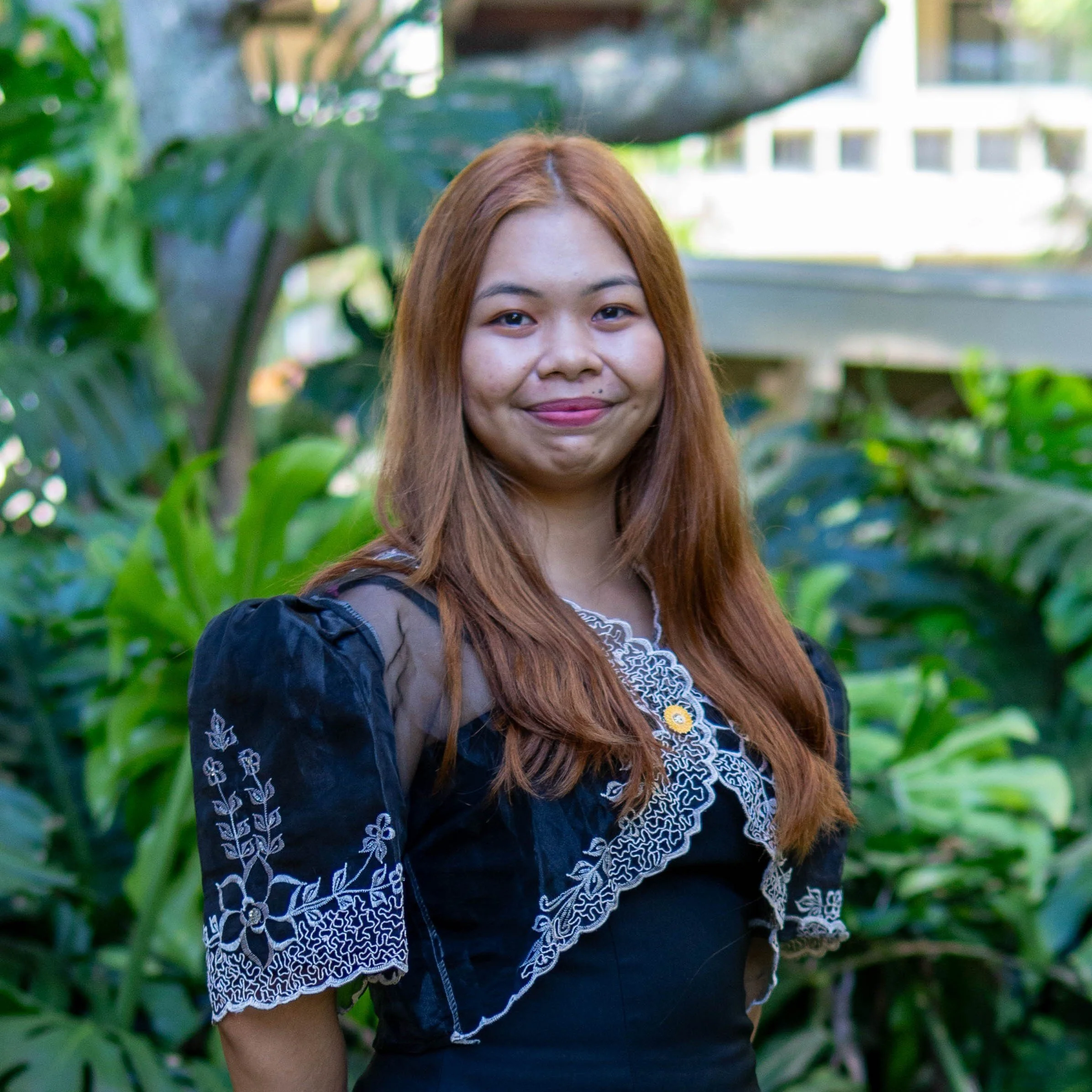
Pamela Lira
Ever since I can remember, I’ve carried a love for the earth.
I grew up in Leyte in the Eastern Visayas Region, one of the most typhoon-struck provinces of the Philippines. A land rich in geothermal energy, yet scarred by poverty; a region overflowing with natural power, yet left vulnerable. As a young survivor of Supertyphoon Haiyan—one of the strongest typhoons recorded in history—I was scarred by the desperation to survive, month’s worth of blackouts and the aching wonder of how the earth could conjure forces powerful enough to destroy itself.
Becoming a geologist was a natural gravity—an easy surrender to my hunger to know the earth and everything beyond it. I realized how much of our lives are shaped by invisible processes beneath our feet. So, I learned to see the earth not just as data or terrain, but also as a dynamic narrative: the lived stories of communities bound to it and the heritage that rise and endure beside it.
To me, Project KARTAng-Isip is a look into a future where Filipinos do more than survive; they lead and they innovate. No longer is it seen as the most vulnerable state, but as a living amalgamation of culture and community adapting to the shared challenge of the planetary crisis. The world today has taught me to look beyond rose-colored glass, to witness the world as it is with the harms that shadow it, but it has also shown me the quiet strength of believing in what might still be. A weaving of myth, reality and possibility.
This art became an opportunity to rediscover the comfort and gentle radiance it brought to me in writing word by word, and building world by world. Layered with the myths I grew up with, I return to the whispers of tales that once left younger me fascinated. Even as a writer, I had never regarded myself as an artist—until I began shaping worlds through the lens of climate fiction. Art, I realized, was not confined to strokes of pigment on a page, because it could be the world we reimagine or a language to speak for the planet. This is the culmination of my journey as both scientist and storyteller for the people and the planet.
Somewhere, someone may read this story and find not fear in their homes, but hope in being part of the solution. The future is scary, but it only happens one day at a time. May this story serve as a compass toward hope.
24, Leyte, Philippines
-
Data Source: European Space Agency (2024). Copernicus Global Digital Elevation Model. Distributed by OpenTopography. https://doi.org/10.5069/G9028PQB. Accessed 2025-07-23
-
Sponge Cities - https://spongecity.site/
Challenergy Wind Turbines - https://www.reuters.com/business/energy/japan-start-up-designs-wind-turbine-that-can-harness-typhoon-energy-2021-10-29/
Copernicus Data Space Ecosystem - https://dataspace.copernicus.eu/